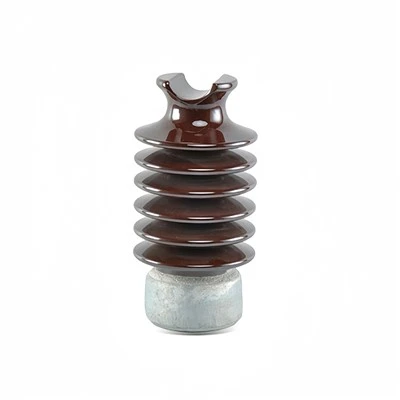
Can rod post insulators be recycled? This is a question that has been on the minds of many in the electrical industry, and as a supplier of Rod Post Insulator, I'm here to delve into this topic in detail.
Understanding Rod Post Insulators
Rod post insulators are a critical component in electrical systems. They are designed to support and insulate electrical conductors, preventing the flow of current to the ground or other conductive materials. These insulators are commonly made from materials such as porcelain, glass, and composite polymers. Each material has its own unique properties that make it suitable for different applications.


Porcelain Porcelain Post Insulator has been a traditional choice due to its high mechanical strength, good electrical insulation properties, and resistance to environmental factors. It can withstand high voltages and is often used in outdoor electrical substations and power lines. Glass Glass Line Post Insulator insulators, on the other hand, offer excellent transparency, which allows for easy visual inspection of the internal condition of the insulator. They are also known for their high dielectric strength and low power loss. Composite polymer insulators are lightweight, have good pollution resistance, and are less prone to breakage compared to porcelain and glass insulators.
Recycling Possibilities of Rod Post Insulators
Porcelain Rod Post Insulators
Recycling porcelain rod post insulators presents both challenges and opportunities. On one hand, porcelain is a durable material that can be difficult to break down. However, with the advancement of technology, it is possible to recycle porcelain insulators. The first step in the recycling process is to remove any metal components, such as end-fittings, from the porcelain insulator. These metal components can be recycled separately and sent to metal recycling facilities.
Once the metal components are removed, the porcelain can be crushed into small pieces. These crushed porcelain pieces can then be used in a variety of applications. For example, they can be used as aggregate in concrete production. The use of recycled porcelain aggregate in concrete can improve the strength and durability of the concrete, while also reducing the amount of natural aggregate needed. This not only helps to conserve natural resources but also reduces the environmental impact of concrete production.
Glass Rod Post Insulators
Glass rod post insulators are relatively easier to recycle compared to porcelain insulators. Glass is a recyclable material that can be melted down and reused in the production of new glass products. In the case of glass rod post insulators, the recycling process typically involves sorting the insulators by color (if applicable), as different colors of glass may require different melting temperatures.
After sorting, the glass insulators are crushed into small fragments, known as cullet. This cullet can then be fed into a glass melting furnace, where it is melted and combined with other raw materials to produce new glass products. Recycling glass insulators not only conserves resources but also reduces energy consumption compared to producing new glass from virgin materials.
Composite Polymer Rod Post Insulators
Recycling composite polymer rod post insulators is more complex due to the nature of the materials involved. Composite polymers are often made up of a combination of fibers and resins, which makes it difficult to separate and recycle the individual components. However, research is being conducted to develop more effective recycling methods for composite polymer insulators.
One approach is to use chemical processes to break down the composite polymer into its individual components. Once the components are separated, they can be recycled or reused in other applications. For example, the fibers can be used in the production of new composite materials, while the resins can be used in the production of adhesives or coatings.
Environmental and Economic Benefits of Recycling Rod Post Insulators
Environmental Benefits
Recycling rod post insulators offers significant environmental benefits. By recycling these insulators, we can reduce the amount of waste that goes to landfills. Landfills are a major source of environmental pollution, as they can release harmful chemicals and greenhouse gases into the environment. Recycling also helps to conserve natural resources. For example, recycling porcelain and glass insulators reduces the need to extract and process new raw materials, which can have a significant impact on the environment.
In addition, recycling composite polymer insulators can help to reduce the environmental impact of the production of new composite materials. The production of composite materials often requires large amounts of energy and generates a significant amount of waste. Recycling composite polymer insulators can help to reduce these environmental impacts by using existing materials instead of producing new ones.
Economic Benefits
There are also economic benefits to recycling rod post insulators. Recycling can reduce the cost of production for manufacturers. By using recycled materials, manufacturers can save on the cost of raw materials and energy. In addition, recycling can create jobs in the recycling and waste management industries. These jobs can range from collection and sorting to processing and manufacturing.
Other Types of Post Insulators and Recycling
Apart from rod post insulators, there are other types of post insulators in the market, such as Metal Post Insulators and Station Post Insulator. Metal post insulators are typically made of metals such as steel or aluminum. Metals are highly recyclable materials, and the recycling process for metal post insulators is relatively straightforward. The insulators can be melted down and reused in the production of new metal products.
Station post insulators, which are used in electrical substations, can be made from various materials, including porcelain, glass, and composite polymers. The recycling possibilities for station post insulators are similar to those of rod post insulators, depending on the material they are made of.
Conclusion
In conclusion, rod post insulators can be recycled, although the recycling process varies depending on the material they are made of. Recycling these insulators offers significant environmental and economic benefits, and with the advancement of technology, the recycling methods are becoming more efficient and effective.
As a supplier of rod post insulators, I am committed to promoting sustainable practices in the industry. We understand the importance of recycling and its impact on the environment and the economy. If you are in the market for high-quality rod post insulators or are interested in discussing recycling options, please feel free to contact us for a detailed discussion and procurement opportunities.
References
- ASTM International standards related to electrical insulators and recycling.
- Industry reports on the recycling of electrical equipment and materials.
- Research papers on the development of recycling methods for composite polymer materials.