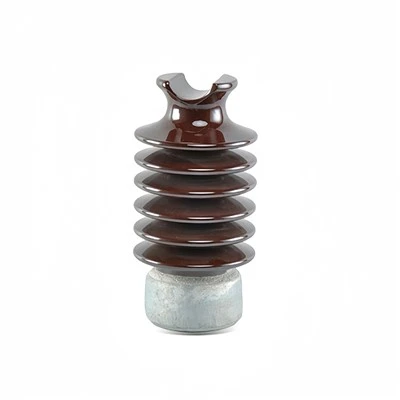
Hey there! As a supplier of station post insulators, one question I get asked a lot is, "What is the lifespan of a station post insulator?" Well, let's dive right into it and break down all the factors that can affect how long these insulators last.
First off, what exactly are station post insulators? They're crucial components in electrical systems, especially in substations and power distribution networks. Their main job is to support electrical conductors and prevent current from flowing to the ground or other conductive parts. This way, they help keep the electrical infrastructure safe and functioning properly.
Now, the lifespan of a station post insulator isn't set in stone. It can vary quite a bit depending on several key factors.
Material Quality
The material a station post insulator is made from plays a huge role in determining its lifespan. There are different types of materials used in manufacturing these insulators, and each has its own characteristics.
-
Porcelain Insulators: These have been around for a long time. Porcelain is a durable material that can withstand high mechanical stresses and has good electrical insulating properties. When properly manufactured and maintained, porcelain station post insulators can last for several decades, often 50 years or more. However, they are brittle, and if they're subjected to sudden impacts or extreme temperature changes, they can crack or break.
-
Composite Insulators: Composites, like the Composite Line Post Insulator, are relatively newer to the market. They're made of materials like silicone rubber and fiberglass. Composite insulators are lightweight, flexible, and resistant to UV radiation and environmental contaminants. They typically have a lifespan of 20 - 30 years, but with advancements in material technology, this lifespan is expected to increase.
-
Polymer Insulators: Polymer insulators, such as the Polymer Post Insulator, share some similarities with composite insulators. They offer good hydrophobicity, which means they repel water, reducing the risk of electrical flashovers. Their lifespan is also in the range of 20 - 30 years, but again, it depends on the quality of the polymer used and the operating conditions.
-
Metal Post Insulators: Metal Post Insulators are used in some specific applications. Metals like aluminum or steel are used, and they're usually coated to prevent corrosion. The lifespan of metal post insulators can vary widely, but with proper coating and maintenance, they can last 20 - 40 years.
Environmental Conditions
Where the station post insulator is installed has a big impact on its lifespan.
-
Pollution: In areas with high levels of industrial pollution or salt spray from the ocean, insulators can get contaminated. This contamination can reduce their electrical performance and lead to surface tracking and flashovers. For example, in a coastal area, the salt particles can accumulate on the insulator surface, increasing the risk of electrical leakage. Insulators in polluted areas may need more frequent maintenance and may have a shorter lifespan compared to those in clean environments.
-
Temperature and Humidity: Extreme temperatures, both hot and cold, can affect the material properties of the insulator. High temperatures can cause the material to degrade over time, while freezing temperatures can lead to cracking, especially in porcelain insulators. High humidity can also increase the risk of electrical leakage, especially if the insulator surface is contaminated.
-
UV Radiation: Prolonged exposure to sunlight can cause the surface of some insulators, like composite and polymer ones, to degrade. UV radiation can break down the polymer chains in the material, reducing its mechanical and electrical properties.
Electrical Stress
The amount of electrical stress the insulator is subjected to is another important factor.
-
Voltage Levels: Higher voltage levels mean more stress on the insulator. Insulators used in high - voltage applications need to be designed to withstand greater electrical forces. If an insulator is operating at a voltage close to its maximum rating, it may experience more wear and tear, which can shorten its lifespan.
-
Surge Voltages: Lightning strikes and switching operations can cause surge voltages in the electrical system. These sudden spikes in voltage can damage the insulator, especially if it's not properly designed to handle them. Surge arresters are often used in combination with insulators to protect them from these high - voltage surges.
Maintenance Practices
Regular maintenance can significantly extend the lifespan of a station post insulator.
-
Cleaning: Keeping the insulator surface clean is essential. Dirt, dust, and other contaminants can reduce the insulator's electrical performance. Depending on the environment, insulators may need to be cleaned periodically, either manually or using automated cleaning systems.


-
Inspection: Regular inspections can help detect any early signs of damage, such as cracks, surface tracking, or degradation of the material. Inspections can be done visually or using specialized equipment, like infrared cameras to detect hotspots.
-
Replacement of Worn Parts: If any parts of the insulator, such as fittings or coatings, are worn or damaged, they should be replaced promptly to prevent further deterioration of the insulator.
Typical Lifespan Ranges
Based on all these factors, here's a general idea of the lifespan ranges for different types of station post insulators under normal operating conditions:
- Porcelain insulators: 40 - 60 years
- Composite insulators: 20 - 30 years
- Polymer insulators: 20 - 30 years
- Metal post insulators: 20 - 40 years
However, it's important to note that these are just estimates. In some cases, with excellent maintenance and favorable operating conditions, insulators can last even longer. On the other hand, if they're exposed to harsh environments or high electrical stresses, their lifespan can be significantly shorter.
Conclusion and Call to Action
So, there you have it! The lifespan of a station post insulator depends on a variety of factors, including material quality, environmental conditions, electrical stress, and maintenance practices. As a supplier, we offer a wide range of high - quality station post insulators, such as the Pigtail Line Post Insulator, Composite Line Post Insulator, Line Post Type Insulator, Polymer Post Insulator, and Metal Post Insulators.
If you're in the market for station post insulators or have any questions about their lifespan, performance, or selection, don't hesitate to reach out. We're here to help you make the best choice for your electrical infrastructure needs. Whether you're in a clean environment or dealing with harsh conditions, we have the right insulator for you. So, let's start a conversation and see how we can work together to ensure your electrical systems are reliable and safe.
References
- Electrical Insulation Handbook, Second Edition
- IEEE Standards for Insulators in Power Systems
- Research papers on the performance and lifespan of station post insulators from industry - recognized journals