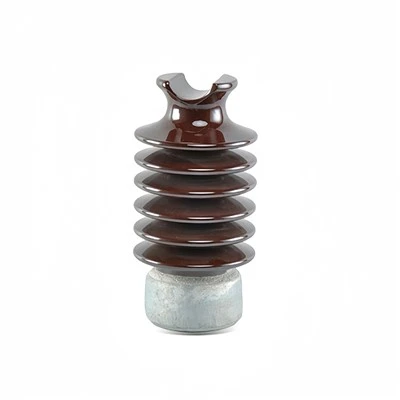
In the complex landscape of electrical systems, pigtail line post insulators play a crucial role in maintaining the integrity and efficiency of power distribution and transmission. As a leading supplier of pigtail line post insulators, I have witnessed firsthand how these components interact with other electrical elements in a system. This blog post aims to delve into the intricate relationships and interactions that pigtail line post insulators have with other electrical components, highlighting their significance in the overall functionality of an electrical network.
Understanding Pigtail Line Post Insulators
Before we explore their interactions, let's briefly understand what pigtail line post insulators are. These insulators are designed to support electrical conductors and isolate them from the ground or other conductive parts of the electrical system. The "pigtail" feature refers to a short length of conductor that is attached to the insulator, allowing for easy connection to other components. Pigtail line post insulators are typically made of materials such as porcelain, glass, or composite polymers, each with its own set of properties and advantages.
Interaction with Conductors
The primary interaction of pigtail line post insulators is with electrical conductors. Conductors are responsible for carrying electrical current from one point to another in the system. Pigtail line post insulators provide mechanical support to these conductors, preventing them from sagging or coming into contact with other objects. The pigtail connection on the insulator allows for a secure and reliable electrical connection between the conductor and other components in the system.
For example, in an overhead power distribution line, pigtail line post insulators are used to support the high-voltage conductors. The insulators keep the conductors at a safe distance from the support structures, such as poles or towers, and prevent electrical leakage to the ground. The pigtail connection ensures that the electrical current can flow smoothly through the conductor without any interruptions.
Interaction with Switchgear
Switchgear is an essential part of an electrical system that is used to control, protect, and isolate electrical equipment. Pigtail line post insulators are often used in conjunction with switchgear to ensure proper electrical insulation and connection. In a switchgear installation, the insulators support the conductors that connect the switchgear to the rest of the electrical system.
The pigtail connection on the insulator allows for easy connection and disconnection of the conductor from the switchgear. This is particularly important during maintenance or repair operations, as it allows technicians to safely isolate the switchgear from the rest of the system. Additionally, the insulators help to prevent electrical arcing and short circuits in the switchgear, which can cause damage to the equipment and disrupt the power supply.
Interaction with Lightning Arresters
Lightning arresters are devices that are used to protect electrical systems from the damaging effects of lightning strikes. Pigtail line post insulators can play a role in the proper functioning of lightning arresters. In a lightning protection system, the insulators are used to support the conductors that connect the lightning arrester to the electrical system.
The pigtail connection on the insulator ensures that the lightning arrester can quickly and effectively divert the high-voltage surge caused by a lightning strike to the ground. This helps to protect the electrical equipment and prevent damage to the system. Additionally, the insulators help to maintain the electrical insulation between the lightning arrester and the rest of the system, preventing any electrical leakage or short circuits.
Interaction with Transformers
Transformers are used to change the voltage level of an electrical current. Pigtail line post insulators are used in transformer installations to support the conductors that connect the transformer to the electrical system. The insulators help to maintain the electrical insulation between the transformer and the ground, preventing any electrical leakage or short circuits.
The pigtail connection on the insulator allows for easy connection and disconnection of the conductor from the transformer. This is important during maintenance or repair operations, as it allows technicians to safely isolate the transformer from the rest of the system. Additionally, the insulators help to protect the transformer from external factors, such as weather conditions and mechanical damage.
Different Types of Pigtail Line Post Insulators and Their Interactions
There are several different types of pigtail line post insulators available in the market, each with its own unique properties and applications. Let's take a look at some of the common types and their interactions with other electrical components:
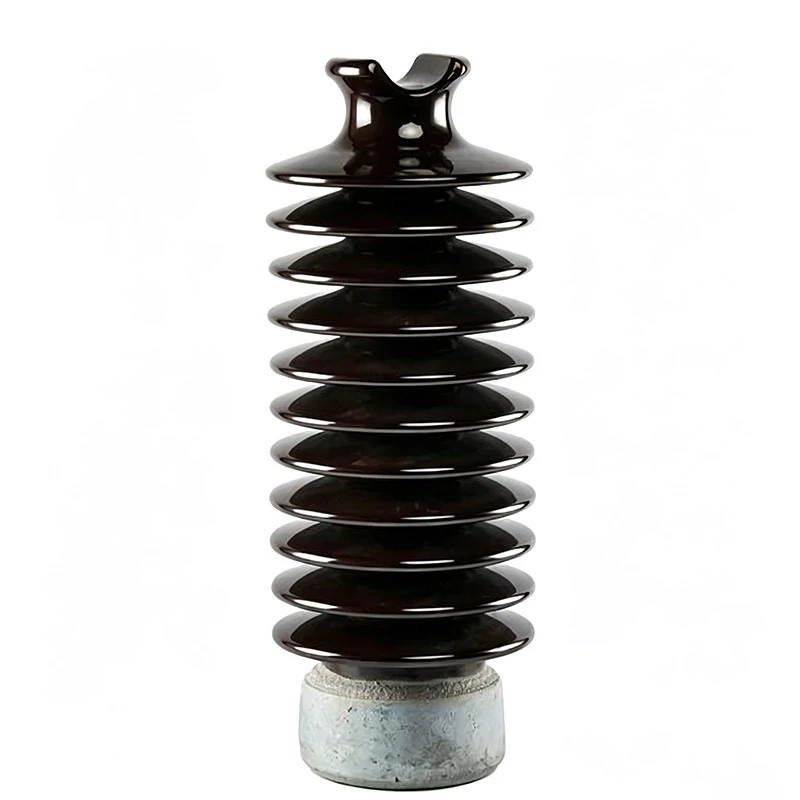
- Line Post Type Insulator: These insulators are commonly used in overhead power transmission and distribution lines. They provide excellent mechanical and electrical performance, making them suitable for harsh environmental conditions. Line post type insulators interact with conductors, switchgear, lightning arresters, and transformers in the same way as described above.
- Rod Post Insulator: Rod post insulators are designed for use in high-voltage applications. They are typically made of porcelain or composite materials and offer high mechanical strength and electrical insulation. Rod post insulators interact with other components in the system to ensure reliable power transmission and distribution.
- Glass Line Post Insulator: Glass line post insulators are known for their excellent electrical insulation properties and high transparency. They are often used in applications where visual inspection of the insulator is required. Glass line post insulators interact with other components in the system to provide reliable electrical insulation and support.
- Composite Line Post Insulator: Composite line post insulators are made of a combination of materials, such as fiberglass and silicone rubber. They offer excellent mechanical and electrical performance, as well as resistance to environmental factors. Composite line post insulators interact with other components in the system to ensure efficient power transmission and distribution.
- Steel Post Insulators: Steel post insulators are typically used in low-voltage applications. They are made of steel and are coated with an insulating material to provide electrical insulation. Steel post insulators interact with other components in the system to support the conductors and prevent electrical leakage.
Importance of Proper Interaction
The proper interaction between pigtail line post insulators and other electrical components is essential for the safe and efficient operation of an electrical system. If the insulators are not properly installed or maintained, it can lead to electrical failures, outages, and even safety hazards.
For example, if the pigtail connection on the insulator is loose or damaged, it can cause arcing and overheating, which can lead to a short circuit and damage to the equipment. Similarly, if the insulators are not providing adequate electrical insulation, it can result in electrical leakage and power losses.
Therefore, it is important to ensure that the pigtail line post insulators are selected, installed, and maintained correctly. This includes choosing the right type of insulator for the specific application, following the manufacturer's installation instructions, and conducting regular inspections and maintenance.
Conclusion and Call to Action
In conclusion, pigtail line post insulators play a vital role in the interaction with other electrical components in a system. They provide mechanical support, electrical insulation, and reliable connections, ensuring the safe and efficient operation of power distribution and transmission networks. As a supplier of pigtail line post insulators, we understand the importance of these components and are committed to providing high-quality products that meet the needs of our customers.

If you are in need of pigtail line post insulators or have any questions about their interaction with other electrical components, please do not hesitate to contact us. Our team of experts is ready to assist you in selecting the right insulators for your application and providing you with the support and guidance you need.
References
- Electrical Insulation Handbook, Second Edition, Edited by Larry E. Dissado and John C. Fothergill
- Power System Engineering, Third Edition, By Nagrath and Kothari
- Insulators for High-Voltage Systems, Edited by CIGRE Task Force 33.03.02