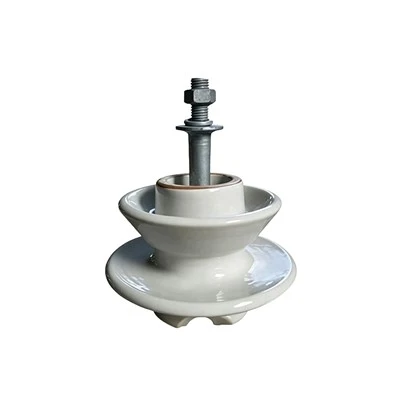
As a supplier of Composite Line Post Insulators, I understand the critical role these insulators play in electrical power systems. The aging of Composite Line Post Insulators is a significant concern that can compromise the safety and efficiency of the grid. In this blog, I'll share some strategies to prevent the aging of these insulators based on industry knowledge and best practices.


Understanding the Aging Mechanisms of Composite Line Post Insulators
Before delving into prevention methods, it's essential to understand what causes the aging of Composite Line Post Insulators. Several factors contribute to their degradation:
Environmental Factors
- UV Radiation: Continuous exposure to sunlight, specifically ultraviolet (UV) rays, can cause the polymer materials in composite insulators to degrade. UV radiation breaks down the chemical bonds in the polymer, leading to surface cracking, loss of hydrophobicity, and reduced electrical performance.
- Temperature Fluctuations: Extreme temperatures, both high and low, can affect the mechanical and electrical properties of composite insulators. High temperatures can cause the polymer to soften, while low temperatures can make it brittle. Repeated thermal cycling can lead to internal stresses and eventual material failure.
- Humidity and Moisture: Moisture can penetrate the surface of composite insulators, leading to hydrolysis and electrical tracking. Hydrolysis breaks down the polymer chains, while electrical tracking creates conductive paths on the insulator surface, increasing the risk of flashovers.
Electrical and Mechanical Stress
- Electrical Stress: High - voltage applications subject composite insulators to electrical stress, which can cause partial discharges. These discharges generate heat and chemical reactions that damage the insulator material over time.
- Mechanical Stress: Insulators are often subjected to mechanical loads, such as wind, ice, and vibration. These forces can cause mechanical fatigue, leading to cracks and fractures in the insulator structure.
Preventive Measures
Material Selection and Design
- High - Quality Polymers: Choose high - quality polymers with good UV resistance and mechanical properties. Some advanced polymers are specifically designed to withstand harsh environmental conditions and electrical stress. For example, silicone rubber is widely used in composite insulators due to its excellent hydrophobicity, UV resistance, and tracking resistance.
- Optimal Design: Design insulators with appropriate dimensions and shapes to minimize electrical and mechanical stress. For instance, using a larger diameter and more sheds can increase the creepage distance, reducing the risk of electrical tracking. Additionally, proper mechanical design can ensure that the insulator can withstand the expected mechanical loads without failure.
Installation and Maintenance
- Proper Installation: Ensure that the insulators are installed correctly according to the manufacturer's instructions. Incorrect installation, such as improper tightening of bolts or misalignment, can cause additional mechanical stress and premature aging. During installation, it is also important to protect the insulators from damage, such as scratches or cuts, which can act as initiation points for aging.
- Regular Inspections: Conduct regular visual and electrical inspections of the insulators. Visual inspections can detect surface damage, such as cracks, erosion, and loss of hydrophobicity. Electrical inspections, such as measuring the leakage current, can help identify early signs of electrical degradation.
Environmental Protection
- Coating and Shielding: Apply protective coatings to the insulator surface to enhance its UV resistance and hydrophobicity. Some coatings can also provide a barrier against moisture and chemical contaminants. Additionally, using shielding devices, such as sunshades or covers, can reduce the direct exposure of the insulators to sunlight and other environmental factors.
- Pollution Control: In areas with high levels of pollution, take measures to reduce the accumulation of contaminants on the insulator surface. This can include regular cleaning or using self - cleaning insulators. For example, some insulators have a smooth surface or a special hydrophobic coating that allows the contaminants to be washed off by rain.
Comparison with Other Types of Post Insulators
It's also worth comparing Composite Line Post Insulators with other types of post insulators, such as Porcelain Post Insulator, Glass Line Post Insulator, Horizontal Line Post Insulator, Corner Post Insulators, and Metal Post Insulators.
- Porcelain Post Insulators: Porcelain insulators are known for their high mechanical strength and long - term stability. However, they are heavier than composite insulators and more prone to breakage. They also require more maintenance to prevent pollution flashovers.
- Glass Line Post Insulators: Glass insulators have good electrical properties and are relatively easy to manufacture. They are also self - cleaning to some extent. However, they are brittle and can be damaged by mechanical impact.
- Horizontal Line Post Insulators: These insulators are designed for specific applications where a horizontal orientation is required. Their aging mechanisms and prevention methods are similar to those of vertical composite insulators, but the mechanical stress distribution may be different.
- Corner Post Insulators: Corner post insulators are used in electrical systems where there are changes in the direction of the power line. They are subjected to different electrical and mechanical stress patterns compared to straight - line insulators, and special design considerations are needed to prevent aging.
- Metal Post Insulators: Metal post insulators are mainly used for low - voltage applications. They have good electrical conductivity but may be prone to corrosion in some environments.
Conclusion
Preventing the aging of Composite Line Post Insulators is crucial for ensuring the reliability and safety of electrical power systems. By understanding the aging mechanisms and taking appropriate preventive measures in material selection, design, installation, maintenance, and environmental protection, we can extend the service life of these insulators.
If you are in the market for high - quality Composite Line Post Insulators or have any questions about preventing their aging, I encourage you to reach out. Our team of experts is ready to provide you with the best solutions and support for your electrical insulation needs.
References
- IEEE Std 1783 - 2012, IEEE Guide for Design, Testing, and Application of Composite Line Post Insulators for AC Systems.
- CIGRE Technical Brochure 496, Aging of Polymer Insulators in Service.
- International Electrotechnical Commission (IEC) standards related to composite insulators, such as IEC 61109.