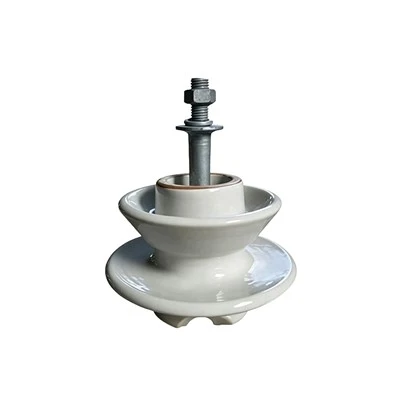
Preventing the failure of station post insulators is crucial for the reliable operation of electrical power systems. As a supplier of station post insulators, I have witnessed firsthand the impact that insulator failures can have on the efficiency and safety of power infrastructure. In this blog, I will share some insights on how to prevent these failures, drawing on my experience in the industry.
Understanding the Causes of Station Post Insulator Failure
Before we delve into prevention strategies, it's essential to understand the common causes of station post insulator failure. These can be broadly categorized into mechanical, electrical, and environmental factors.


Mechanical Factors
Mechanical stress is one of the leading causes of insulator failure. This can result from improper installation, excessive loading, or vibrations. For example, if an insulator is not installed correctly, it may be subject to uneven forces that can lead to cracks or breakage. Additionally, high winds, seismic activity, or the weight of ice and snow can place significant mechanical stress on insulators, increasing the risk of failure.
Electrical Factors
Electrical factors such as overvoltage, corona discharge, and flashovers can also cause insulator failure. Overvoltage can occur due to lightning strikes, switching operations, or system faults. When an insulator is subjected to overvoltage, it can experience electrical breakdown, leading to damage or complete failure. Corona discharge, which is the ionization of the air surrounding the insulator, can cause erosion and degradation of the insulator material over time. Flashovers, on the other hand, are sudden electrical discharges that occur across the surface of the insulator, often resulting in severe damage.
Environmental Factors
Environmental conditions play a significant role in the performance and lifespan of station post insulators. Exposure to pollutants, moisture, UV radiation, and extreme temperatures can all contribute to insulator degradation. For instance, pollutants such as salt, dust, and industrial emissions can accumulate on the surface of the insulator, reducing its electrical performance and increasing the risk of flashovers. Moisture can also penetrate the insulator material, causing internal damage and reducing its mechanical strength. UV radiation can cause the insulator material to become brittle and crack, while extreme temperatures can cause thermal expansion and contraction, leading to mechanical stress.
Prevention Strategies
Now that we understand the causes of station post insulator failure, let's explore some strategies to prevent them.
Proper Selection and Design
The first step in preventing insulator failure is to choose the right type of insulator for the specific application. Factors such as voltage level, environmental conditions, and mechanical requirements should be carefully considered when selecting an insulator. At our company, we offer a wide range of insulator options, including Composite Line Post Insulator, Pigtail Line Post Insulator, Corner Post Insulators, Metal Post Insulators, and Steel Post Insulators. Each type of insulator has its own unique properties and advantages, allowing us to provide customized solutions to meet the needs of our customers.
In addition to proper selection, the design of the insulator is also crucial. Insulators should be designed to withstand the expected mechanical, electrical, and environmental stresses. This may involve using high-quality materials, optimizing the shape and dimensions of the insulator, and incorporating features such as sheds and ribs to improve its performance.
Quality Installation
Proper installation is essential for ensuring the long-term performance of station post insulators. Insulators should be installed by trained professionals who follow the manufacturer's instructions carefully. This includes ensuring that the insulator is properly aligned, tightened, and supported. Any misalignment or improper installation can result in uneven stress distribution, increasing the risk of failure.
During installation, it's also important to inspect the insulator for any damage or defects. Insulators should be handled with care to avoid scratching or chipping the surface, as this can compromise its electrical and mechanical properties. Additionally, the installation environment should be clean and free from debris to prevent contamination of the insulator.
Regular Maintenance and Monitoring
Regular maintenance and monitoring are key to preventing insulator failure. Insulators should be inspected periodically to check for signs of damage, wear, or contamination. This can be done visually or using diagnostic tools such as infrared thermography and ultrasonic testing. Any signs of damage or degradation should be addressed immediately to prevent further deterioration.
In addition to visual inspections, it's also important to perform routine cleaning and maintenance on the insulators. This can help remove pollutants and contaminants from the surface of the insulator, improving its electrical performance. Cleaning should be done using appropriate cleaning agents and techniques to avoid damaging the insulator material.
Monitoring the electrical performance of the insulators is also crucial. This can be done by measuring parameters such as leakage current, partial discharge, and capacitance. Any significant changes in these parameters can indicate a potential problem with the insulator and should be investigated further.
Environmental Protection
Protecting insulators from environmental factors is essential for preventing failure. This can be achieved through various means, such as using protective coatings, installing weather shields, and providing proper ventilation. Protective coatings can help prevent the accumulation of pollutants and moisture on the surface of the insulator, while weather shields can provide additional protection from extreme weather conditions. Proper ventilation can help prevent the buildup of heat and humidity around the insulator, reducing the risk of thermal stress.
Collaboration and Training
Collaboration between power system operators, manufacturers, and researchers is essential for preventing insulator failure. By sharing knowledge and experience, we can develop better prevention strategies and improve the performance and reliability of station post insulators. Additionally, providing training and education to power system operators and maintenance personnel can help ensure that insulators are installed, maintained, and monitored correctly.
Conclusion
Preventing the failure of station post insulators is a critical aspect of ensuring the reliable operation of electrical power systems. By understanding the causes of insulator failure and implementing appropriate prevention strategies, we can reduce the risk of downtime, improve the safety of power infrastructure, and minimize the cost of maintenance and repairs.
As a trusted supplier of station post insulators, we are committed to providing high-quality products and solutions that meet the needs of our customers. If you are interested in learning more about our products or discussing your specific requirements, please feel free to contact us. We look forward to working with you to prevent insulator failure and ensure the reliable operation of your power system.
References
- IEEE Std 4-2013, IEEE Standard for High-Voltage Testing Techniques
- IEC 61109-2018, Insulators for overhead lines with a nominal voltage greater than 1000 V - Ceramic or glass insulator units for AC systems - Definitions, test methods and acceptance criteria
- CIGRE TB 643-2016, Guides for the Revamping of Insulator Configurations on Overhead Lines