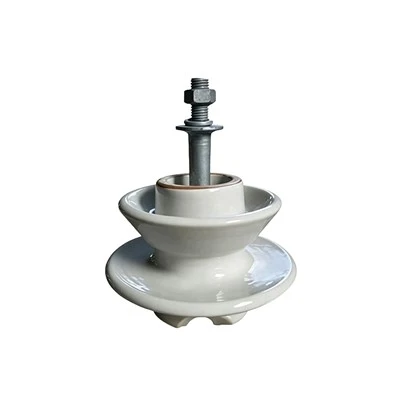
Hey there! As a supplier of Pigtail Line Post Insulators, I know how crucial it is to ensure the correct installation angle of these insulators. In this blog, I'll share some tips and insights on how to achieve that.


First off, let's understand why the installation angle matters. The right angle ensures that the pigtail line post insulator can effectively withstand mechanical stress, electrical loads, and environmental factors. If the angle is off, it can lead to various problems such as reduced insulation performance, premature wear, and even failure of the insulator.
Understanding the Basics
To start with, you need to know the design requirements of the pigtail line post insulator. Different applications may have different optimal installation angles. For example, in a high - wind area, a more vertical angle might be needed to better resist the wind force. In some cases where there are specific electrical field distribution requirements, the angle may be adjusted accordingly.
Before installation, it's also essential to check if the insulator is in good condition. Look for any cracks, chips, or other visible damages. A damaged insulator might not perform well even if installed at the correct angle.
Measuring the Installation Angle
One of the simplest ways to measure the installation angle is by using a protractor. Make sure the protractor is properly calibrated and its base is aligned with a known reference point on the insulator or the supporting structure. Place the protractor carefully and take an accurate reading.
If you're dealing with more complex installations, you can use digital angle measuring tools. These devices are more precise and can provide real - time data, which is very useful, especially when multiple insulators need to be installed with consistent angles.
Installation Procedures
When it comes to actually installing the pigtail line post insulator, follow the manufacturer's instructions carefully. Usually, there are specific mounting brackets or fixtures provided. These brackets are designed to help achieve the correct angle.
First, attach the mounting bracket to the supporting structure. Ensure that it is firmly fixed and level. Then, carefully place the pigtail line post insulator on the bracket. Make sure the insulator is seated properly and that the connection points are secure.
Adjust the angle of the insulator by aligning it with the marks or indicators on the bracket. If necessary, use shims or spacers to fine - tune the angle. Be gentle during the adjustment process to avoid causing any damage to the insulator or the bracket.
Quality Control During Installation
Throughout the installation process, quality control is key. Have a second person double - check the installation angle. This can help catch any errors that might have been overlooked. You can also use a laser level to ensure that multiple insulators are installed at the same angle.
Once the insulator is installed, perform a visual inspection. Check if there are any signs of misalignment or stress on the insulator. Also, test the electrical connection to make sure it is working properly.
Different Types of Post Insulators
Just to give you a broader picture, there are various types of post insulators available in the market. Here are some of them with their respective links:
- Rod Post Insulator: These insulators are known for their high strength and reliability. They are often used in high - voltage applications.
- Polymer Post Insulator: Polymer insulators are lightweight and have good resistance to environmental factors. They are becoming increasingly popular in modern power systems.
- Composite Line Post Insulator: Composite insulators combine the advantages of different materials, offering a balance between mechanical and electrical properties.
- Steel Post Insulators: Steel post insulators are highly durable and can withstand heavy loads. They are commonly used in industrial settings.
- Porcelain Post Insulator: Porcelain insulators have been used for a long time. They have good electrical insulation properties and are relatively low - cost.
Communication with the Supplier
If you're facing any issues during the installation process or need more information about the correct installation angle, don't hesitate to get in touch with the supplier. As a supplier myself, I know that we're always happy to help our customers. We have technical experts who can provide you with detailed guidance based on your specific requirements.
Importance of Training
Proper training for the installation team is also very important. Make sure the installers are familiar with the installation procedures and know how to measure and adjust the installation angle correctly. Training can reduce the risk of installation errors and ensure the long - term performance of the insulators.
Environmental Considerations
Environmental factors can also affect the installation angle. For example, in areas with heavy snowfall, the angle may need to be adjusted to prevent snow accumulation on the insulator. In areas with high humidity, the insulator's position should be optimized to ensure good ventilation and prevent moisture - related problems.
Conclusion
Ensuring the correct installation angle of pigtail line post insulators is a multi - step process that involves understanding the basics, using the right measuring tools, following proper installation procedures, and conducting quality control. By paying attention to these aspects, you can ensure the optimal performance and longevity of the insulators.
If you're in the market for high - quality pigtail line post insulators or have any questions regarding installation, feel free to reach out. We're here to help you with your procurement needs and provide you with the best solutions.
References
- Industry standards for post insulator installation.
- Manufacturer's manuals for pigtail line post insulators.
- Technical research on the performance of post insulators under different installation angles.